
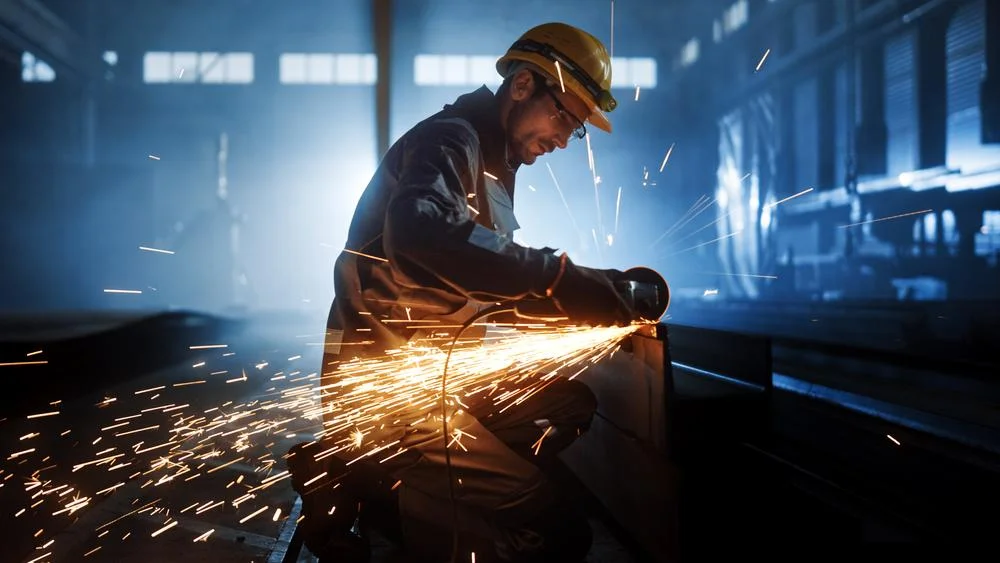
Modern fabrication relies on smart tools, precise data, and skilled teams working together. Advanced technology helps manufacturers cut metal accurately, monitor production, reduce material waste, and maintain consistent quality across demanding projects.
These capabilities give steel fabrication companies in Riyadh a clear edge when clients seek dependable structures, faster production, and accurate results for industrial and commercial applications with demanding project schedules.
Advanced cutting systems
Computer-controlled cutting systems give fabricators exceptional accuracy during every production stage. Laser cutters, plasma systems, and automated saws follow digital designs with impressive precision, reducing errors and material waste. These machines also handle complex shapes with consistent results, helping teams produce components that fit together smoothly during assembly. Faster cutting speeds also support larger production volumes without sacrificing dimensional accuracy or surface quality.
Robotic welding technology
Robotic welding systems improve consistency across repeated fabrication tasks. Programmable welding arms maintain steady movement, heat levels, and positioning throughout production. Skilled technicians supervise these systems, adjust settings, and inspect finished joints to maintain high standards. Robotic equipment also handles repetitive work efficiently, allowing experienced workers to focus on technical tasks, quality checks, and fabrication stages that demand human judgment.
Digital design and modeling
Modern fabrication starts with detailed digital models that give teams a clear visual reference before production begins. Three-dimensional modeling software allows engineers to examine dimensions, connections, material requirements, and structural details within one digital environment. Teams can identify design conflicts early and adjust drawings before cutting begins. This process reduces material loss, limits production errors, and supports smoother coordination between engineers, fabricators, and clients.
Automated quality control
Advanced inspection technology gives fabrication teams reliable data about finished components. Digital measuring equipment, laser scanning systems, and automated inspection tools detect dimensional differences with high precision. Fabricators compare measurements against approved specifications and address discrepancies promptly. Detailed inspection records also provide useful production data, helping managers identify recurring issues and improve future fabrication processes through informed decisions.
Smart production monitoring
Connected machinery gives managers real time information about production activity, machine performance, material usage, and workflow progress. Monitoring software gathers operational data and presents useful insights through digital dashboards. Managers can spot delays, equipment issues, or unusual production patterns before they affect larger schedules. This visibility supports efficient resource use and helps teams maintain steady output across complex fabrication projects.