
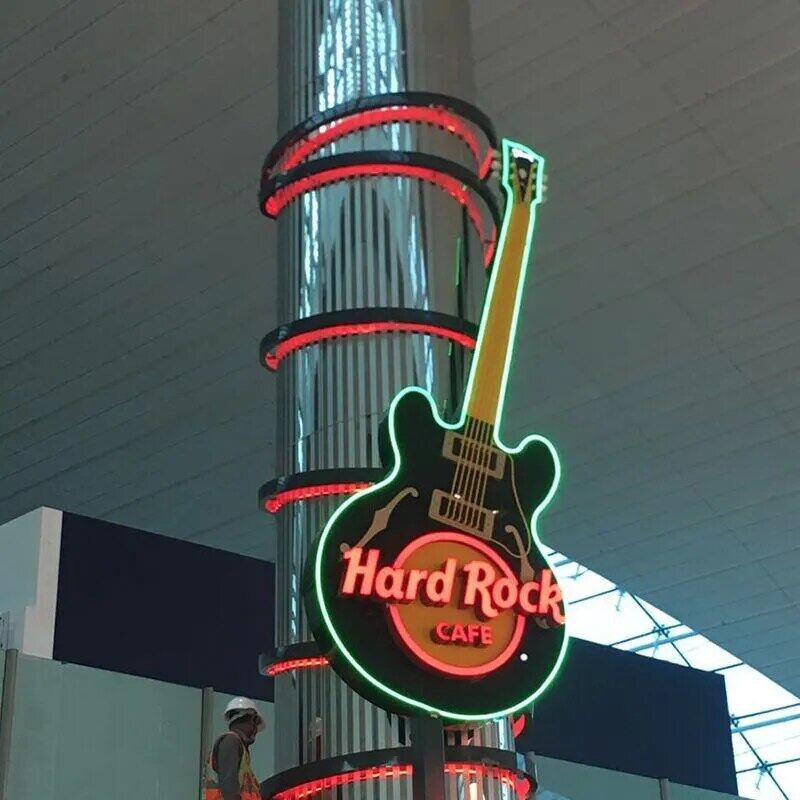
A well-designed signboard attracts attention, communicates a brand’s identity, and helps businesses stand out. However, its quality starts with the materials behind its appearance. Every sign faces different environmental conditions, installation challenges, and maintenance demands. To deliver lasting results, signboard manufacturers in Saudi Arabia evaluate several factors before selecting materials that meet their clients’ expectations and suit each project’s purpose.
1. Assessing the signboard’s purpose
Every sign serves a specific purpose, and manufacturers consider its intended use before selecting materials. Outdoor signs require durable surfaces that withstand sunlight, rain, dust, and temperature changes. Indoor signs offer greater flexibility because they face fewer environmental challenges. Manufacturers also consider the sign’s size, location, visibility, and design.
A shop’s main entrance sign may require sturdy materials, while a small directional sign may work well with lightweight alternatives. Matching materials to the sign’s purpose helps businesses achieve practical results.
2. Considering durability and weather resistance
Weather conditions influence material selection, particularly for outdoor installations. Manufacturers examine how different materials respond to heat, moisture, wind, and ultraviolet rays. Aluminum offers excellent corrosion resistance and suits outdoor signs that face changing weather.
Acrylic provides an attractive finish, although prolonged exposure and impact can affect its performance. PVC also offers a lightweight option for various applications. Manufacturers compare these properties to select materials that maintain their appearance and structural integrity over time.
3. Balancing appearance and brand identity
A signboard represents a business, so its appearance deserves attention. Manufacturers select materials that complement the brand’s colors, typography, and overall design. Acrylic delivers a sleek, glossy finish that suits modern storefronts, while wood adds warmth to traditional designs.
Aluminum supports clean, professional signage, especially for offices and commercial buildings. Manufacturers also consider lighting, surface texture, and color consistency to achieve the desired visual effect without compromising functionality.
4. Evaluating installation and maintenance
Installation conditions influence the final material choice. Heavy materials may require additional structural support, while lightweight options simplify handling and mounting. Manufacturers assess wall surfaces, mounting locations, and available space before deciding.
They also consider cleaning requirements and long-term maintenance costs. Materials that resist stains, corrosion, and fading help businesses keep signs attractive with less frequent upkeep.
5. Managing costs and material availability
Budget plays an important part in material selection. Manufacturers compare material prices, fabrication expenses, installation costs, and expected lifespan. Affordable materials may suit temporary promotions, while premium options offer lasting value for permanent installations.
They also check material availability and production requirements to keep projects within budget and meet delivery schedules.