
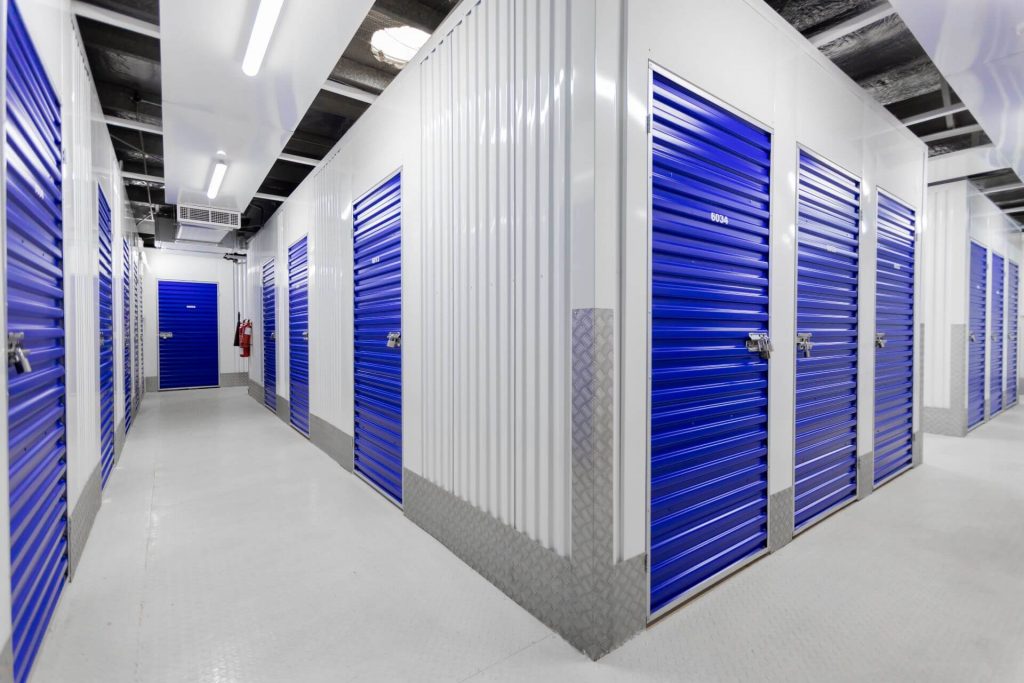
Moisture can quietly damage belongings long before you notice the first signs of mold. Furniture, clothing, documents, electronics, and other stored items can absorb humidity, develop unpleasant odors, or suffer permanent damage when exposed to damp conditions for too long. The problem can become especially difficult when a unit remains closed for weeks or months at a time.
Taking preventive measures before and during storage can protect your belongings and reduce costly damage. This guide explains how to prevent moisture and mold in storage units in Dubai.
Choose the right storage facility
A suitable facility gives your belongings a better chance of staying dry. Look for clean floors, good ventilation, sealed walls, and reliable climate control. Climate-controlled spaces help regulate temperature and humidity, reducing condensation during seasonal changes. Ask staff about leak inspections and humidity management before signing an agreement. Avoid rooms with musty smells, water stains, or visible mold patches.
Prepare belongings before storage
Dry every item before placing it inside a storage unit. Wash clothes, clean furniture, and remove dirt that traps moisture. Allow fabrics, cushions, and wooden pieces to air dry completely. Empty appliances, wipe their interiors, and leave doors slightly open when appropriate. Clean, dry belongings reduce the chance of mold growth and protect nearby items against unpleasant odors.
Select moisture-resistant packing materials
Choose plastic storage bins with secure lids instead of relying entirely on cardboard boxes. Cardboard absorbs moisture and weakens when humidity rises. Use breathable fabric covers on sofas and mattresses, since airtight plastic wrapping may trap condensation against certain surfaces. Silica gel packets or suitable moisture absorbers help manage damp air inside containers. Replace saturated products promptly and follow their safety instructions.
Keep items above the floor
Place boxes, furniture, and appliances on sturdy shelving or pallets rather than directly on the floor. This arrangement improves airflow and keeps possessions away from minor spills or damp patches. Leave a small gap between stored items and the walls to support air circulation. Avoid packing the unit tightly, as crowded corners restrict airflow and encourage moisture buildup.
Inspect your storage unit regularly
Visit your unit every few weeks and check for leaks, condensation, musty odors, and unusual spots on stored belongings. Open containers carefully and inspect fabrics, paper goods, and wooden surfaces. Replace damp packaging immediately and remove affected items when safe. Report roof leaks, plumbing problems, or persistent humidity to facility management before the damage spreads.