
Dance classes give children a lively setting where they learn, move, and interact with others. Every class offers small chances to speak, listen, share space, and work with classmates. Group activities help children build confidence while they practice respect and teamwork. They also learn to express ideas with movement and enjoy a positive group experience, making Dubai dance classes a great choice for social growth.
Building confidence with others
Children sometimes feel shy when they meet new classmates. Dance classes give them regular chances to join group activities and perform simple routines together. As children practice steps and take part in class, they become comfortable around their peers. Speaking with teachers and classmates also helps them express themselves with greater confidence.
Learning teamwork through movement
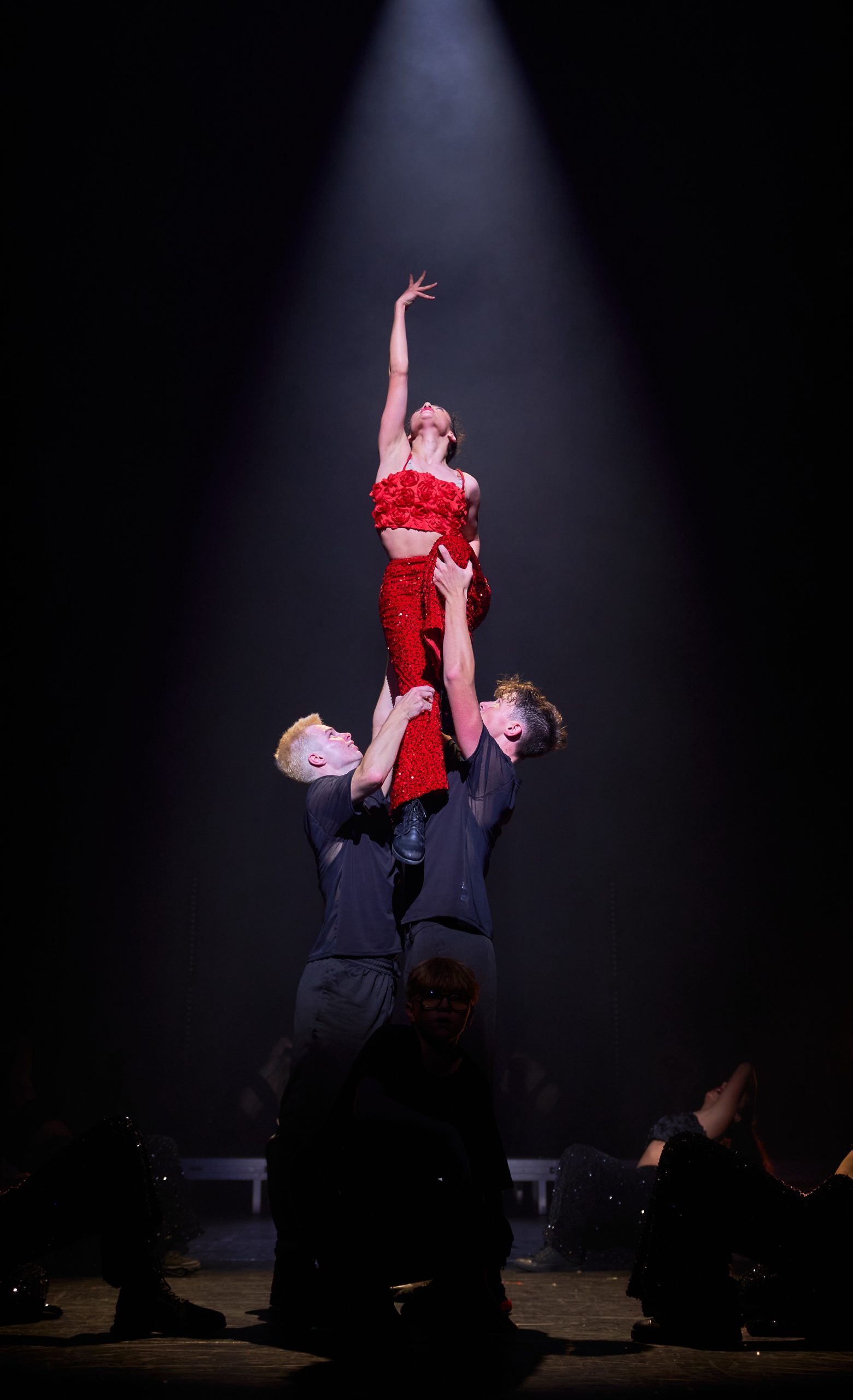
Group dance activities teach children how to work as a team. Each child follows the same rhythm, watches classmates, and stays connected with the group. Children learn that their actions affect the entire performance. This simple lesson encourages cooperation, patience, and respect during class and in daily life.
Sharing space and respecting others
Dance classes teach children how to move safely around other dancers. They learn to keep suitable spacing, wait for their turn, and respect another child’s personal space. These habits support polite behavior in school, family settings, and social activities. Teachers also guide children toward positive interaction during partner and group exercises.
Improving communication skills
Dance gives children another form of communication. Facial expressions, gestures, posture, and movement help them share ideas without speaking. Teachers also encourage children to listen to instructions and respond correctly. These activities support clear communication and help children become better listeners during conversations with friends, teachers, and family members.
Handling mistakes with confidence
Mistakes happen during dance practice, and children learn to respond calmly. A missed step gives them a chance to try again and learn from the experience. Classmates also learn to encourage one another instead of laughing at mistakes. This positive setting helps children develop patience, self-control, and kindness.
Forming friendships naturally
Regular classes give children time to meet the same classmates and share enjoyable activities. Repeated interaction helps friendships grow through shared practice, games, and performances. Children learn how to greet others, start conversations, offer encouragement, and enjoy group activities. These simple social habits support stronger relationships beyond the studio.