
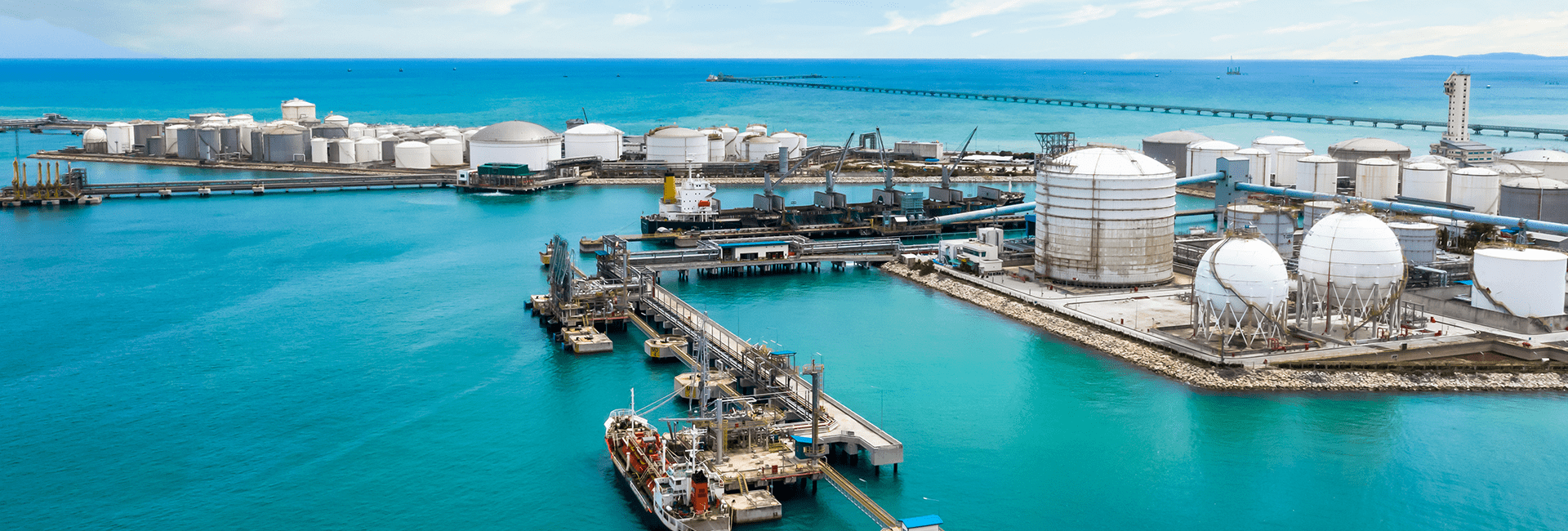
Ports and ships face security risks that demand clear rules, alert personnel, and reliable communication. International maritime regulations help shipping companies prepare for threats and protect people, vessels, and cargo.
The three security levels guide responses to changing conditions and potential dangers. Each level sets specific expectations, while the ISPS code gives maritime operators a shared framework for managing port security.
Security level one and routine operations
Security Level 1 represents the normal operating condition at ports and aboard ships. During this stage, port authorities and ship operators maintain standard protective measures throughout daily activities. Security teams monitor restricted areas, check identification, control visitor entry, and inspect access points.
Staff members also maintain surveillance systems and follow established reporting procedures. These routine checks help identify unusual behaviour before it develops into a serious concern. Although the threat remains at its normal level, personnel stay alert and follow approved security plans.
Security level two and increased precautions
Security Level 2 applies when authorities identify a heightened risk of a security incident. This stage calls for additional protective measures beyond routine procedures. Port security teams may increase patrol frequency, strengthen access controls, inspect cargo more closely, and monitor sensitive locations with greater intensity.
Ship operators may also restrict visitor movement and verify crew identification more frequently. Authorities communicate updated instructions to relevant personnel so everyone understands the changing situation. Staff members must remain attentive and report suspicious behaviour promptly.
Security level three and exceptional threats
Security Level 3 applies when a security incident appears probable or imminent, even if authorities cannot identify its exact target. This level demands specific protective actions under instructions issued by the competent authorities. Port facilities may restrict entry, suspend selected activities, secure vulnerable locations, or limit vessel movements. Ship crews follow emergency procedures and maintain direct communication with relevant security officials.
Authorities coordinate responses to protect human life and reduce potential damage. Personnel must follow instructions promptly and avoid sharing unverified information. Since this level addresses exceptional circumstances, operators focus on immediate protection and controlled responses.
Why all three levels matter
The three security levels give maritime organizations a structured response to changing threats. Each level matches protective measures to the assessed risk, helping teams avoid both complacency and unnecessary disruption.
When employees understand their responsibilities, they respond more effectively to official instructions. The ISPS Code therefore supports consistent maritime security practices and helps protect international shipping operations.