
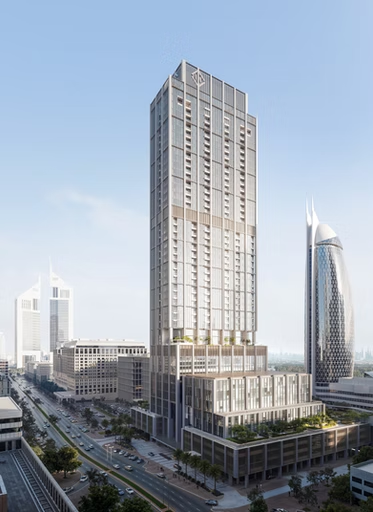
Ideas start as simple thoughts, sketches, references, or rough descriptions. Turning those ideas into clear visual scenes takes creativity, technical skill, and a strong eye for detail. A skilled artist studies the concept, builds digital elements, and adds depth, light, texture, and balance. This process helps clients see a clear result before production begins, with a 3D designer Dubai guiding the concept toward a polished visual result.
Starting with the core idea
The process begins with a clear concept. The designer reviews sketches, measurements, reference images, colors, materials, and client preferences. Each detail gives direction to the project. The designer then breaks the concept into smaller parts, such as walls, furniture, products, structures, or decorative elements. This step gives the project a strong base and keeps the visual work aligned with the original idea.
Building the digital model
After reviewing the concept, the designer builds a three-dimensional model using specialized software. The model includes accurate proportions, shapes, surfaces, and objects. Precise measurements help the final scene look realistic. The designer also checks how individual elements fit together. This stage turns a rough concept into a digital structure that viewers can explore from different angles.
Adding materials and textures
Plain models rarely show the full character of a design. Materials and textures add visual detail to floors, walls, fabrics, glass, wood, metal, stone, and other surfaces. The designer selects textures that match the intended style. Small details, such as surface patterns and finishes, help viewers recognize the difference between polished metal, soft fabric, natural wood, and smooth glass.
Using light to set the mood
Lighting gives the scene its atmosphere. The designer places natural or artificial lights based on the setting. Bright lighting supports clean and open interiors, while softer lighting gives a warm and relaxed mood. Shadows also add depth. The designer adjusts brightness, direction, and intensity until the scene looks balanced and believable.
Adding realistic details
Small elements give the final visual extra character. Furniture placement, plants, decorations, reflections, shadows, and background details all support the main concept. The designer studies the scene from different views and adjusts details that appear out of place. This work helps the image look natural instead of overly digital.