
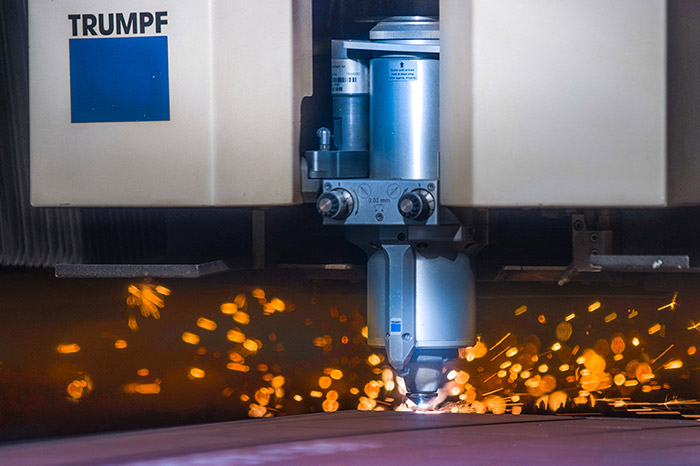
Industrial laser systems rely on precise energy, controlled motion, and the right gas flow to produce clean cuts at high speed. Assist gases push molten material away from the cutting zone while protecting the work area. Their pressure, purity, and composition directly affect edge quality, cutting speed, and material performance during laser cutting Dubai operations.
How assist gases support cutting
Assist gases work alongside the laser beam during metal processing. The gas stream enters through a nozzle and directs pressure toward the cutting zone. This flow removes molten metal and small particles as the beam moves through the sheet. It also helps prevent debris from settling around the cut, which keeps the working area cleaner.
Operators select gas pressure according to material thickness, nozzle design, and cutting speed. Correct gas delivery supports stable beam interaction and helps industrial systems maintain consistent results during demanding production runs.
Oxygen for carbon steel
Oxygen suits many carbon steel applications because it reacts with heated metal and adds energy to the cutting process. This reaction supports faster cutting at suitable thicknesses while producing a controlled cut path. Oxygen pressure requires precise adjustment because excessive flow may increase oxidation around the edge.
Skilled operators balance laser power, travel speed, nozzle height, and gas pressure to achieve a clean profile. The resulting edge may show an oxide layer, which matters when later processes involve painting, welding, or surface treatment.
Nitrogen for clean edges
Nitrogen offers a different cutting approach for stainless steel, aluminum, and other materials where oxidation presents a concern. The gas pushes molten material away while limiting contact between the hot edge and atmospheric oxygen. This process produces bright, clean edges that suit fabrication work requiring attractive surface quality.
High purity nitrogen supports stable cutting conditions, especially during fast production cycles. Proper pressure also improves molten material removal and helps maintain narrow kerfs across intricate shapes and detailed components.
Gas pressure and cutting speed
Gas pressure directly influences molten material removal, so operators match pressure with the material and cutting parameters. Higher pressure may support faster processing in certain applications, while excessive pressure can disturb the cutting zone and affect edge quality. Nozzle alignment also matters because uneven gas flow may produce inconsistent results.
Modern laser machines use controlled settings to coordinate gas delivery with beam power and machine movement. This balance supports reliable production across repeated parts and demanding industrial workloads.